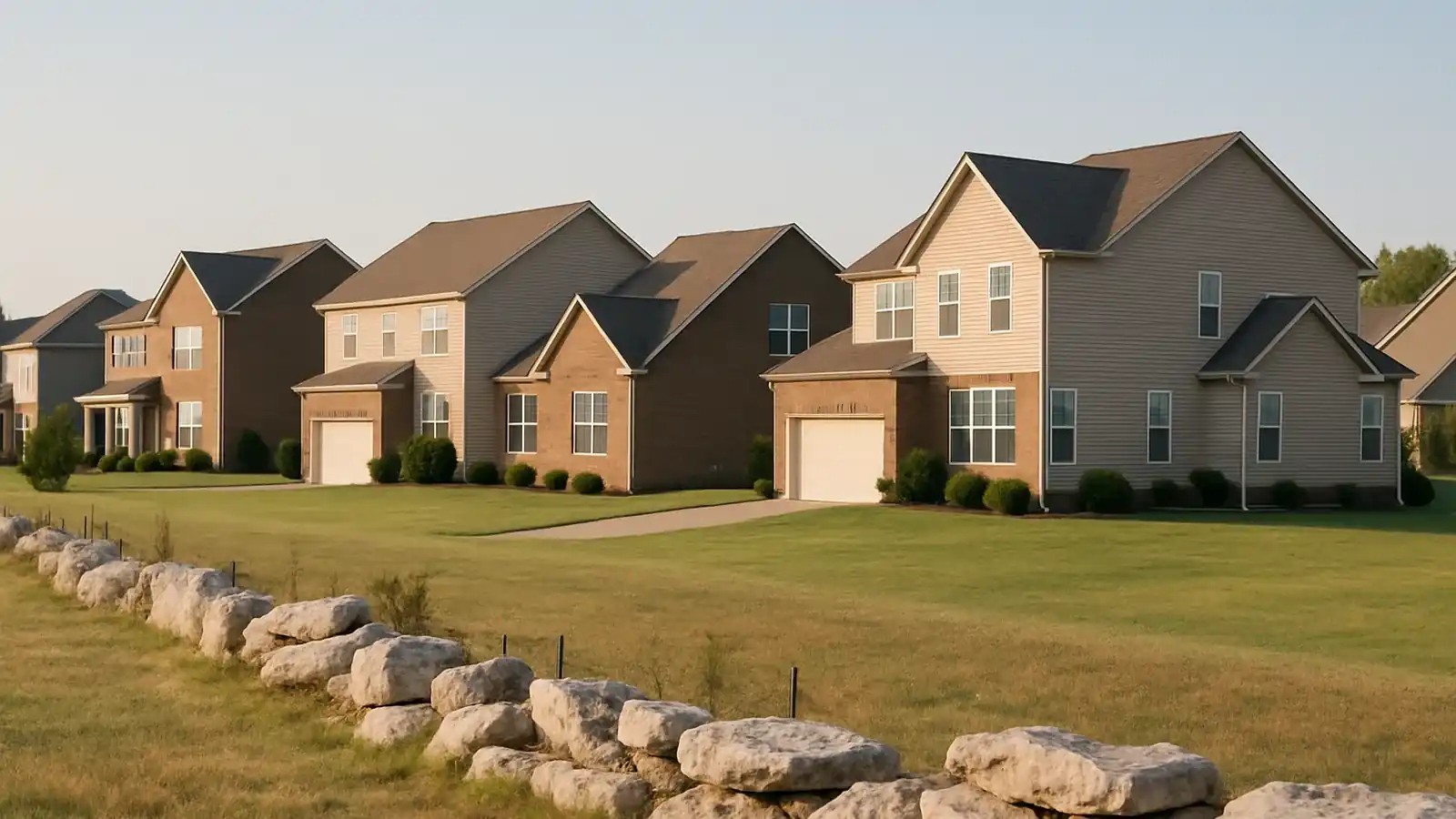
Concrete leveling in Murfreesboro runs $500–$2,500 for most residential slabs, against three to five times that for replacement. Polyurethane foam is injected through penny-sized ports, lifts the slab back to grade, and cures in minutes, usually same-day traffic.
Here's why flatwork drops here, and when lifting is the right call.
Why Rutherford County flatwork sinks
Driveways, patios, walks, and porch slabs sit directly on soil with no footing beneath, which means they ride the ground's full behavior. Two local patterns dominate. First, the trench-and-fill zones around every foundation, where builder backfill consolidates for years after construction. That's why the driveway panel nearest the garage so often steps down first. Second, seasonal clay movement, which lifts and drops flatwork through the year until joints no longer meet.
A tilted patio matters beyond appearance: pitched back toward the house, it delivers every rainfall straight to the foundation, feeding the same moisture cycle that damages the structure. Leveling corrects drainage and appearance in one visit.
How the lift works
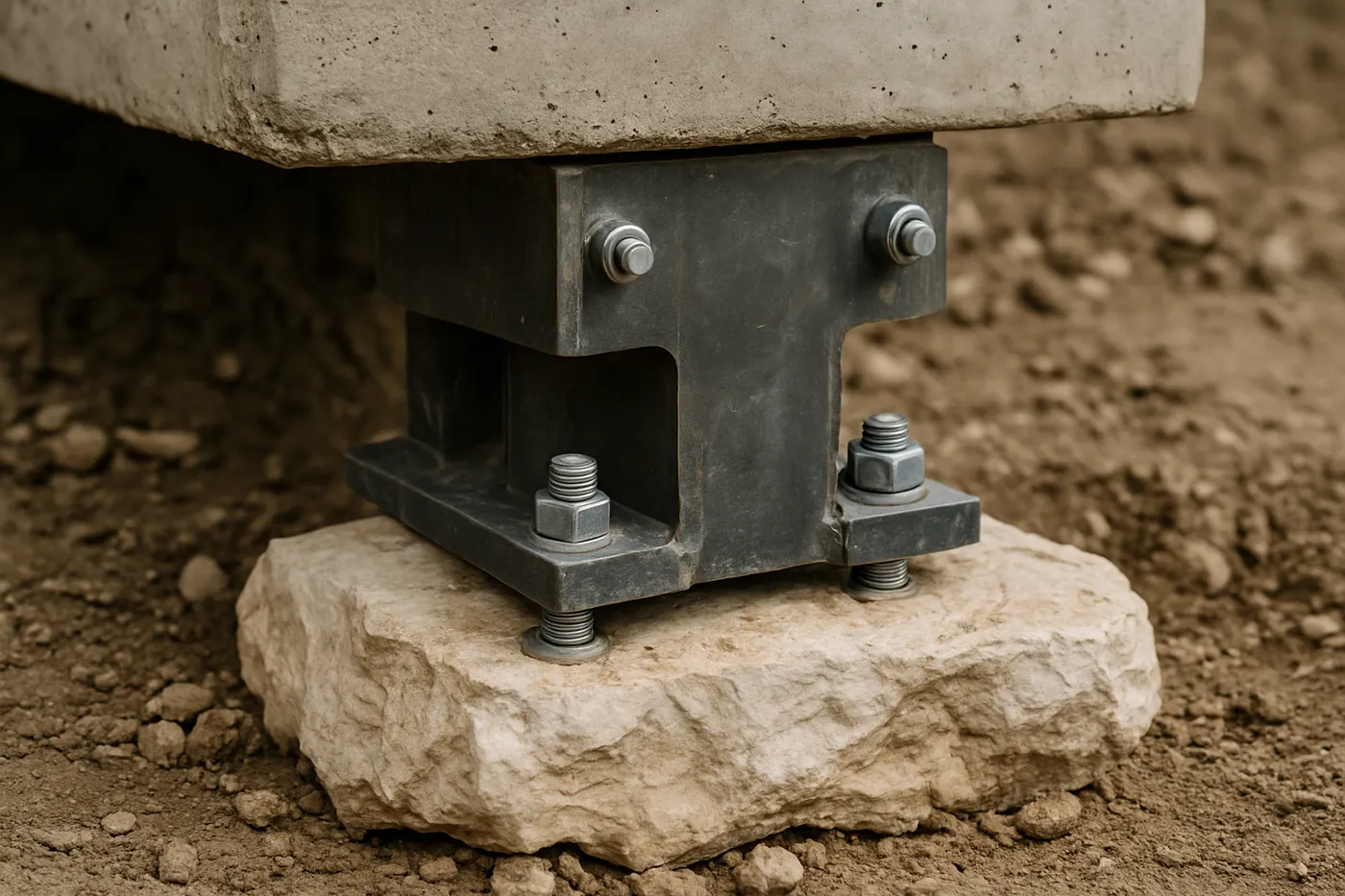
Penny-sized ports are drilled through the slab and structural polyurethane injected beneath, expanding to fill voids and raise the concrete in controlled increments while elevation is checked against a level line. Ports are patched flush at completion.
What the foam is filling is worth knowing before it goes in. Under a newer slab the void is usually consolidating fill; over the Central Basin's limestone it can occasionally be something the rock made. Filling a solution cavity with lifting foam treats a symptom, so establish which one you are looking at first.
Timing matters on cycling clay
Slabs that heave and drop seasonally are lifted after the ground finishes its dry-season contraction rather than in the middle of it. Lifting a slab the clay is still actively moving means paying to do it twice, and a good specialist schedules around that rather than taking the money early.
Which leveling method suits a sunken slab?
The signs are easy to read from the driveway: a walkway panel that has dropped at one joint, a patio pitching back toward the house, a garage slab with a lip you catch a toe on. What causes it here is usually fill that was never compacted to the depth the slab needed, and the fix depends on what is under the concrete rather than on the concrete.
| Method | How it lifts | Where it fits in Rutherford County |
|---|---|---|
| Polyurethane foam | Injected through small ports, expands to raise the slab | Driveways and walks over graded subdivision fill; cures in minutes |
| Mudjacking | Slurry pumped beneath to float the panel back up | Heavier flatwork where the void is shallow and access is open |
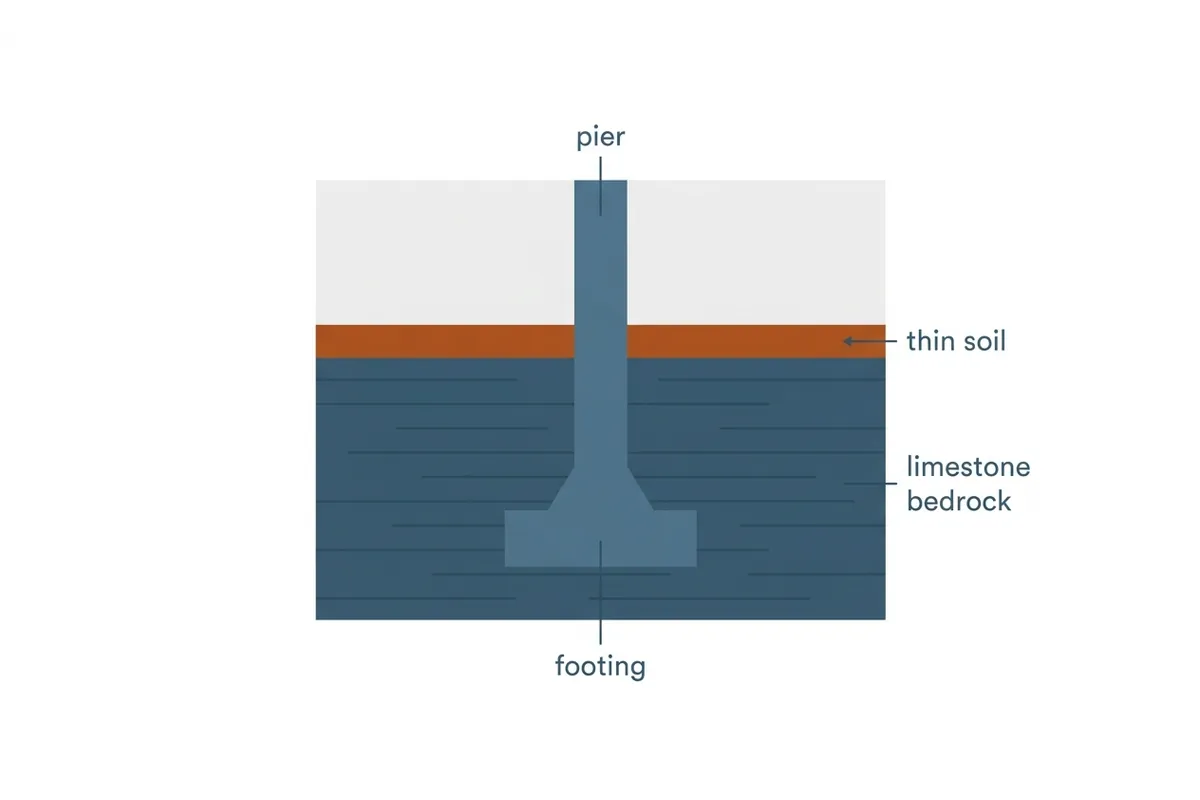
| Pier and lift | Support taken to firm ground, then the slab is reset | Slabs carrying structure, where shallow bedrock makes short drives practical |
| Replacement | The panel is broken out and poured again | Concrete already cracked into several pieces: lifting rubble buys nothing |
The question is never which method is best in general. It is whether the slab is sound enough to lift, and whether the ground under it will hold the new elevation.
Leveling questions, straight answers
How long does concrete leveling take?
Most residential slabs are lifted in a single afternoon. Polyurethane foam is injected through penny-sized ports, expands to fill voids and raise the slab, and cures within minutes. You can typically drive on a lifted driveway the same day.
Why foam instead of mudjacking?
Weight, mostly. Mudjacking pumps a heavy slurry beneath a slab that already failed under load; polyurethane weighs a small fraction of that. On ground where soil depth varies and clay cycles seasonally, adding less weight is the safer engineering choice. Foam ports are also much smaller, so patches are less visible.
Will it sink again?
Not if the reason it sank is addressed. Foam fixes elevation; it doesn't fix a downspout saturating the base or fill still consolidating beneath. Ask for a slab scope that names the water source next to the lift price, cheap correction first, because that's what decides whether you buy this once or twice.
Can a badly cracked slab be lifted?
Sometimes, panel by panel, though the cracks remain and may need sealing. Where concrete has deteriorated badly or the pieces no longer interlock, replacement is the honest recommendation, and a good specialist says so rather than taking a lifting job that won't hold.
Get a Murfreesboro foundation evaluation
Tell us what the house is doing (stair-step cracks, doors that stick every August, sloping floors, separating trim) and we’ll pass your request on for an evaluation. A specialist who serves the Murfreesboro area will call you back.