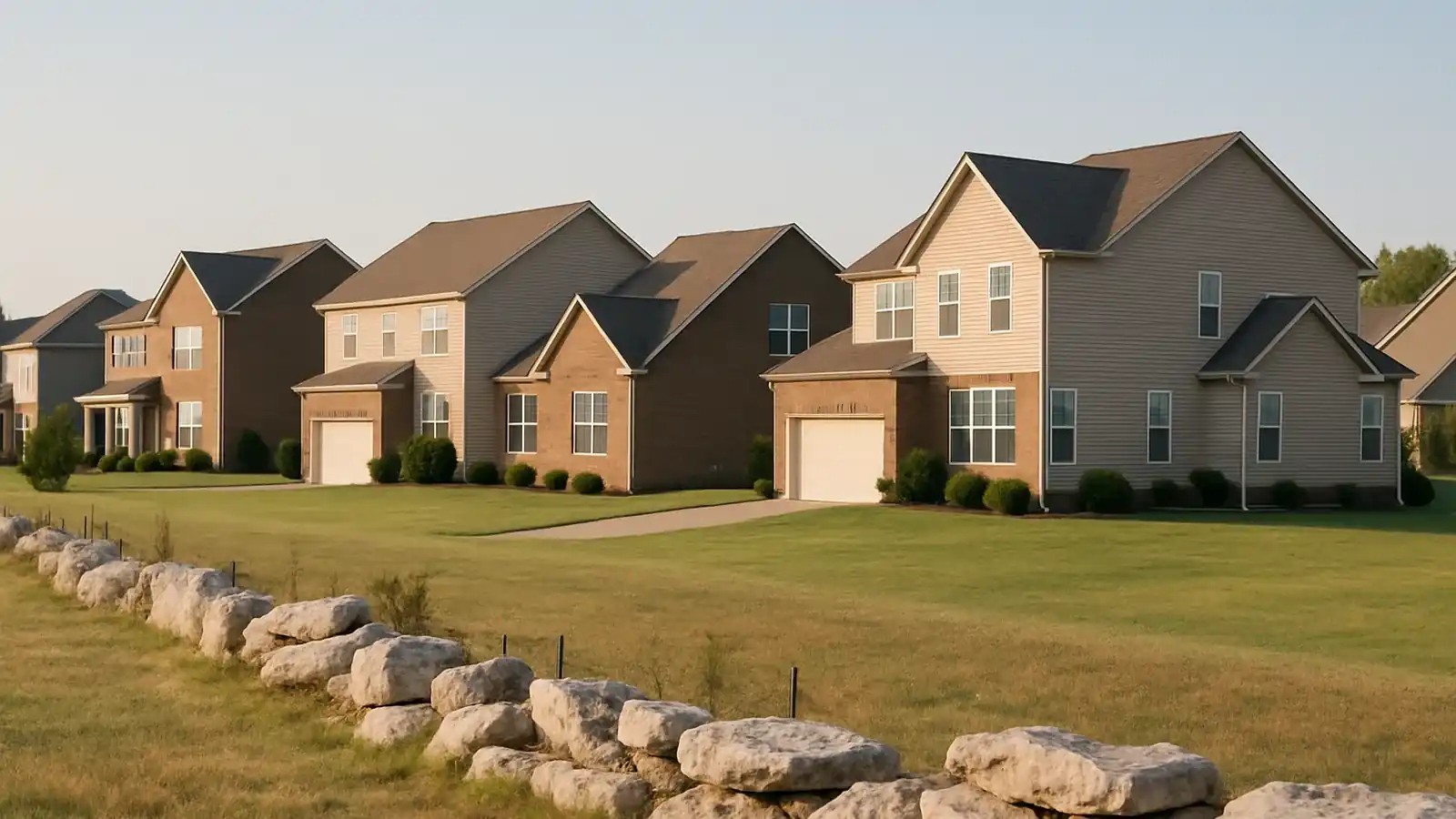
Foundation crack repair in Murfreesboro runs $400–$1,500 for most injections and reinforcement. The decisive step costs nothing: measuring whether the crack is active. Over Central Basin clay, a crack that widens between spring and August is a movement problem, not a sealing problem.
Here's how cracks get triaged before anyone quotes material.
What the crack pattern tells us
Brick and block homes crack along mortar joints in the classic stair-step, tracking the footing that dropped, and comparing the width at the top of the run against the bottom indicates which end moved. Slab homes crack in the concrete and telegraph it through flooring as a line through tile or a ridge under vinyl. Both are readable, and both mean more when measured across a season than when photographed once.
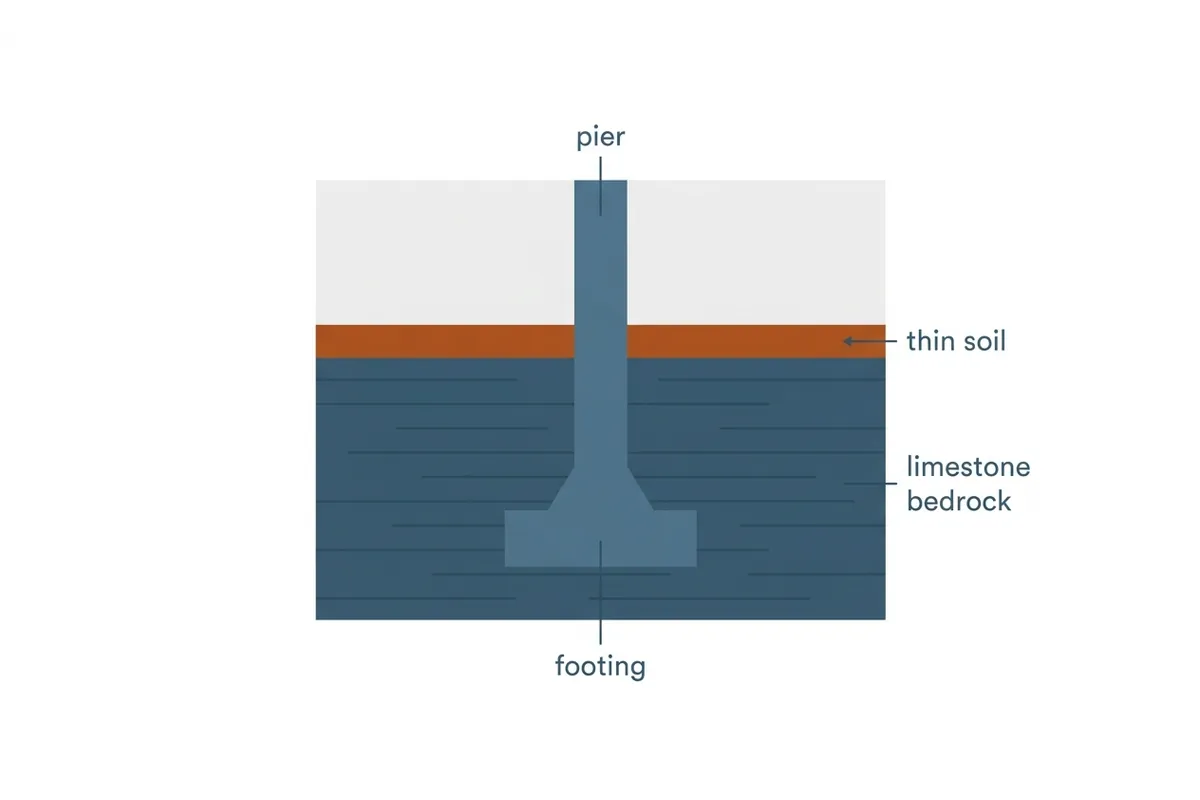
Rutherford County adds one consideration worth naming: because bearing depth is irregular here, cracks sometimes appear along a line that corresponds to a change in the rock surface below rather than to anything visible above. That's why the floor-elevation survey does more diagnostic work than the crack photograph does.
Material follows the diagnosis
- Polyurethane injection: flexible and water-stopping, for cracks where movement is continuing
- Structural epoxy: rigid load transfer, and a genuine option here more often than in deep-clay markets, because fill settlement frequently has finished by the time it is reported
- Carbon fibre staples: across cracks with a documented widening history
- Mortar repointing: restores appearance and sheds water, once the structure below is stable
The choice turns on whether the movement is over. That is a real question on a newer house in Rutherford County, where fill settlement is usually front-loaded, which is why a dated baseline before repair is worth more here than it sounds.
Why the cause gets quoted beside the crack
Sealing is cheap. Sealing the same crack three times isn't. Ask for a crack scope that names what is driving it (drainage, differential bearing, or ordinary shrinkage) and prices that separately, so you can see whether you're buying a repair or a temporary patch.
Which crack repair does this crack need?
Homeowners usually call about one of three things: a hairline stair-step in block that reappears after filling, a vertical crack that weeps after a storm, or a horizontal line across a wall. Only the last is urgent on its own, and the repair differs for each.
| Repair | What it addresses | When it is the wrong answer |
|---|---|---|
| Epoxy injection | Structural rebonding of a poured wall | On a crack still moving: rigid epoxy will simply crack again beside the fill |
| Polyurethane injection | Sealing an active leak in poured concrete | When the wall needs strength back, not just dryness |
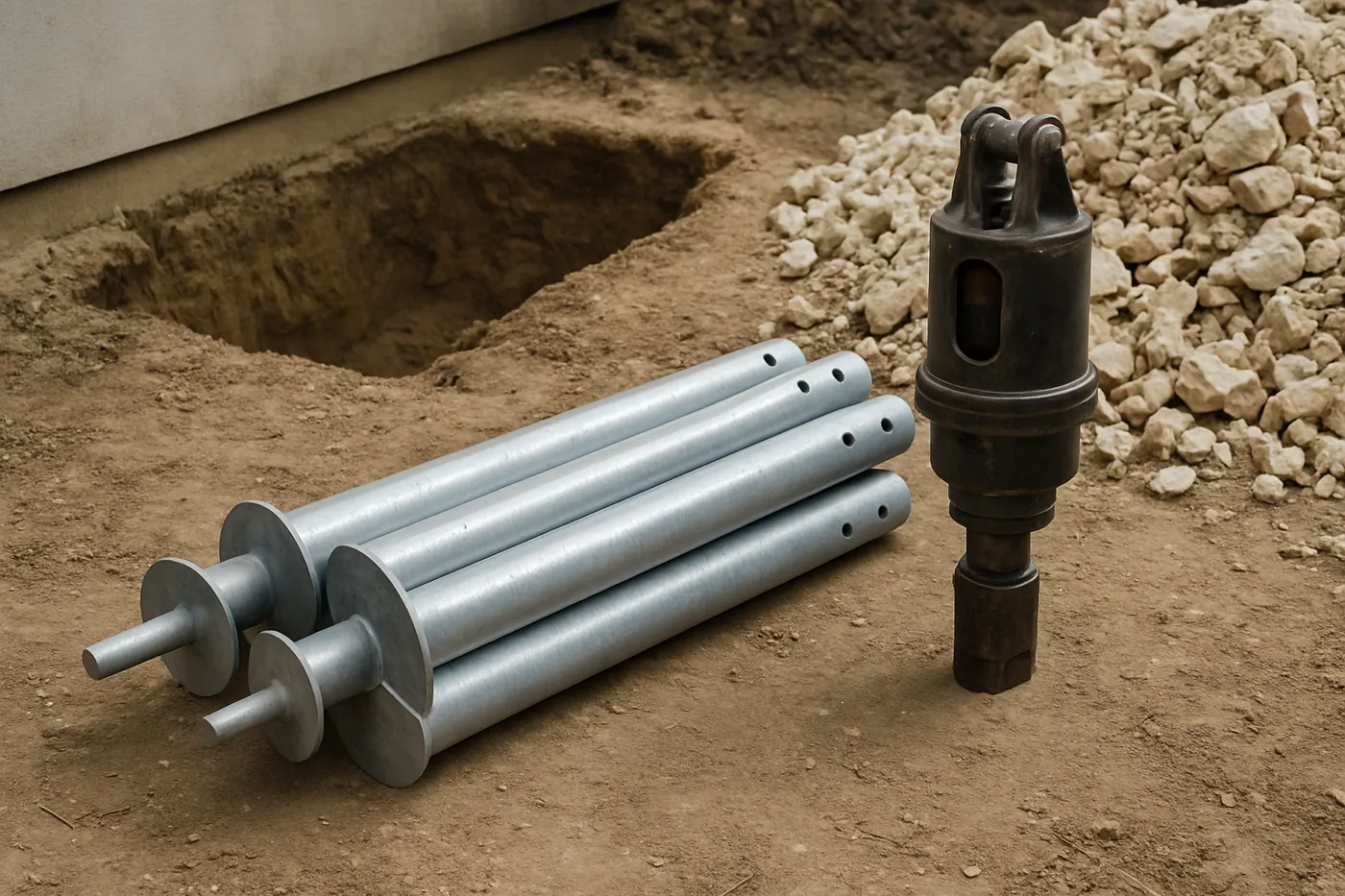
| Carbon fiber straps | Restraining a bowing or stair-stepped wall | Where the wall has already displaced far enough to need resetting |
| Underpinning first | Cracks that are a symptom of settlement | Never wrong, but the most expensive answer to a crack that was never moving |
A crack that keeps returning after a competent repair is not a failed repair. It is the wall telling you the movement underneath was never addressed.
Crack questions, straight answers
Which cracks are serious?
Width and movement decide it. Hairline cracks that hold still through a full wet-dry cycle usually need sealing at most. Stair-step cracks past a quarter inch, or any crack that measurably widens between spring and late summer, indicate active movement and get structural attention rather than caulk.
Can I test whether a crack is moving myself?
You can test whether a crack is moving yourself, and it costs nothing: draw a pencil line across the crack at both ends, write the date beside it, and check after a full wet-dry cycle. In middle Tennessee that cycle tests the crack honestly within a year. It is the right step when the evaluation doesn't find enough movement to justify work.
Epoxy or polyurethane?
Epoxy is rigid and structural. It welds a crack and is specified when an engineer wants load transfer and the cause is corrected. Polyurethane stays flexible, which suits cracks that still see seasonal movement. Over cycling Central Basin clay, flexible is more often the right answer for residential work.
Can cracks in brick veneer be fixed?
Yes, though brick cracks are usually a symptom. Repointing restores appearance and keeps water out, but if the footing beneath is still moving, the crack returns along the same line. Ask for a scope that names the cause beside the masonry line so you can decide the order of operations honestly.
Get a Murfreesboro foundation evaluation
Tell us what the house is doing (stair-step cracks, doors that stick every August, sloping floors, separating trim) and we’ll pass your request on for an evaluation. A specialist who serves the Murfreesboro area will call you back.